class="lumen-photo">
h2>The short answer: can Zyrtec and Flonase be taken together?
For most people managing allergic rhinitis, taking single-ingredient Zyrtec and Flonase together is considered safe and is a common practice. Zyrtec contains cetirizine hydrochloride, an oral antihistamine, while Flonase contains fluticasone propionate, an intranasal corticosteroid. Because these medications work through different mechanisms and are administered via different routes, they do not directly interact in a way that typically causes adverse effects.
This general reassurance comes with important limits. The fact that US labeling does not identify a direct interaction between cetirizine and fluticasone does not mean the combination is risk-free for every individual. Each medicine carries its own specific warnings, and suitability depends on a person's age, underlying health conditions, other medications they are taking, and the exact formulation they have purchased.
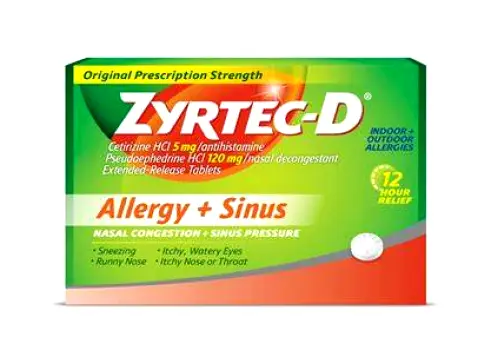
Distinguish between single-ingredient Zyrtec and Zyrtec-D. Zyrtec-D is a combination product that includes cetirizine plus pseudoephedrine, a decongestant. The safety profile and interaction risks for Zyrtec-D differ significantly from single-ingredient Zyrtec because of the added pseudoephedrine. The guidance regarding combining Zyrtec with Flonase applies specifically to the single-ingredient cetirizine formulation, not the combination product.
How Zyrtec and Flonase treat different allergy symptoms
Understanding how each medication works helps clarify why they are often paired. Cetirizine, found in Zyrtec, is a second-generation oral antihistamine. It is labeled for the temporary relief of symptoms such as sneezing, runny nose, itchy or watery eyes, and itching of the nose or throat. By blocking histamine, a chemical the immune system releases during an allergic reaction, cetirizine helps control these specific histamine-driven symptoms.
Flonase, containing fluticasone propionate, is an intranasal corticosteroid. It targets inflammation directly within the nasal passages. It is labeled for the temporary relief of hay fever and other upper-respiratory allergy symptoms, including nasal congestion, runny nose, sneezing, itchy nose, and itchy or watery eyes. By reducing inflammation in the nasal tissues, it addresses the swelling and blockage that antihistamines alone may not fully resolve.
While these different roles can be complementary, neither medication is guaranteed to relieve every symptom for every person. Cetirizine may not effectively clear severe nasal congestion, and Flonase may not fully stop itching or sneezing without the addition of an antihistamine. Their effectiveness can vary based on individual physiology and the severity of the allergy.
Take a short knowledge check. Choose one answer for each question and find out how well you understand the topic.
Combining Zyrtec and Flonase
Does US labeling require a waiting interval between Zyrtec and Flonase?
US labeling does not require staggering cetirizine and intranasal fluticasone, so timing can be based on personal routine and each product's directions.
What makes Zyrtec-D different from single-ingredient Zyrtec?
Zyrtec-D adds pseudoephedrine, a decongestant, so its safety profile and interaction risks differ from single-ingredient cetirizine.
How should Flonase be used for allergy symptoms?
Flonase is an intranasal corticosteroid intended for regular use, and full therapeutic benefit may take several days.
When using both may be useful
Using both Zyrtec and Flonase may be reasonable when a single medication does not adequately control a mixture of allergy symptoms. For example, a person might experience significant nasal congestion and post-nasal drip that respond less reliably to oral antihistamines, alongside persistent itchy eyes and sneezing that are better managed by blocking histamine.
The different mechanisms of action allow for broader symptom coverage. Cetirizine handles the systemic histamine response, while fluticasone reduces local inflammation in the nasal airways. This combination can provide more comprehensive relief than either medicine working alone for some individuals.
Combination therapy is not necessary for everyone. Many people manage their symptoms effectively with just an oral antihistamine or just a nasal steroid. Adding a second medication increases cost and complexity without guaranteeing superior results. The decision to use both should be based on whether one product alone is sufficient to keep daily activities and sleep comfortable. It is also not a universal rule that one must always be taken with the other; it is a tool for specific, persistent symptom clusters.
How to use the combination safely
Safe use of this combination relies on following the specific Drug Facts directions for each product rather than creating a custom schedule. Readers should not invent a combined timing routine but should adhere to the labeled dosing for their exact formulations.
No special waiting interval between taking Zyrtec and using Flonase is required by US labeling. The medications do not interact in a way that demands staggering. Timing can be chosen based on personal routine or adherence preferences. For instance, some people prefer to use the nasal spray in the morning and take the oral pill at night, while others may prefer to take both in the morning. Consistency with each individual label is more important than the interval between them.
Flonase is designed for regular intranasal use. It is not a rescue medication for immediate relief. Full therapeutic benefit may take several days of consistent use. Continue using it as directed even if relief is not immediate.
Readers must not exceed the stated dose for either product. It is vital not to substitute Zyrtec-D for Zyrtec in this context without accounting for the pseudoephedrine component. The presence of a decongestant changes the safety profile and may introduce interactions or side effects not present with single-ingredient cetirizine.
Side effects and precautions to consider
Each medication carries distinct side effect profiles that should be monitored when used, individually or in combination.
Cetirizine can cause drowsiness. The US Drug Facts label advises users to avoid alcoholic drinks and to use caution when driving or operating machinery. It also warns to use care if taking other sedatives or tranquilizers. Individuals with kidney or liver disease are advised to consult a doctor before use, as these conditions can affect how the body processes the drug.
Flonase is generally well-tolerated but can cause local nasal discomfort, dryness, or nosebleeds. The labeling advises consulting a doctor before use for individuals with glaucoma or cataracts, as corticosteroids can potentially affect eye pressure or lens clarity. Other conditions requiring medical consultation include recent nasal surgery, nasal ulcers, unhealed nasal injuries, or current or recent exposure to certain infections, as these can complicate nasal healing or increase infection risk.
Specific medication interactions also apply to Flonase. Users should ask a doctor or pharmacist before use if they are taking ritonavir (an HIV medication), other steroid medicines for asthma or allergies, or ketoconazole (an antifungal). These drugs can interact with fluticasone metabolism.
Pregnant or breastfeeding individuals should seek professional guidance before using cetirizine, as advised by the label. For children, age limits and directions vary among formulations. Users must follow the specific Drug Facts label for the product and age group and consult a clinician for younger children when directed.
When to ask a pharmacist or doctor
Professional advice is recommended before starting or combining these medications if you fall into any of the following categories:
You are pregnant or breastfeeding.
You are choosing a product for a child, as age-specific approvals and dosing vary.
You have kidney or liver disease.
You have glaucoma, cataracts, or a history of nasal surgery, ulcers, or injuries.
You are currently taking sedating drugs, ritonavir, other steroids, or ketoconazole.
You are uncertain whether you have single-ingredient Zyrtec or Zyrtec-D.
Seek medical advice if your allergy symptoms do not improve within the timeframe stated on the product label, if they become worse, or if you experience persistent or concerning adverse effects. Do not rely on these medications to diagnose the cause of persistent nasal symptoms, as they can mask signs of infection or other conditions. Always consult a healthcare provider for individualized treatment decisions, especially if symptoms are chronic or severe.
For most people managing allergic rhinitis, taking single-ingredient Zyrtec (cetirizine) and Flonase (fluticasone) together is considered safe and common; they work via different mechanisms (oral antihistamine vs intranasal corticosteroid) and routes, so no direct interaction is identified, but the combination is not risk-free for everyone-suitability depends on age, underlying health conditions, other medicines, and whether the product is single-ingredient Zyrtec or Zyrtec-D.
The guidance applies only to single-ingredient cetirizine; Zyrtec-D adds pseudoephedrine and has a different safety profile. Using both may be useful when one drug alone does not control a mix of symptoms (e.g., nasal congestion plus itchy eyes), providing broader coverage, but many people do fine with just one medication and adding a second increases cost and complexity without guaranteed benefit.
Safe use requires following each product's Drug Facts label: take the labeled dose of Zyrtec and use Flonase as directed, with no required waiting interval between them; timing can be based on personal routine. Flonase needs regular intranasal use for several days to reach full effect, and doses must not be exceeded. Do not substitute Zyrtec-D for Zyrtec without accounting for the decongestant.
Cetirizine can cause drowsiness; avoid alcohol and sedatives, and consult a doctor if you have kidney or liver disease. Flonase may cause local nasal irritation, dryness, or nosebleeds and requires caution with glaucoma, cataracts, recent nasal surgery, ulcers, unhealed injuries, or exposure to certain infections; it can interact with ritonavir, other steroids, or ketoconazole. Pregnant or breastfeeding individuals should seek professional advice, as should parents choosing a product for a child. Ask a pharmacist or doctor if you have any of these conditions, are taking interacting medicines, are unsure whether you have Zyrtec or Zyrtec-D, or if symptoms do not improve, worsen, or cause concerning side effects.
For most people, single-ingredient Zyrtec (cetirizine) and Flonase (fluticasone) can be taken together safely; they act via different mechanisms and routes, so no direct interaction is identified, but the combination is not risk-free for everyone-suitability depends on age, health conditions, other medicines, and whether you have the single-ingredient product or Zyrtec-D (which contains pseudoephedrine and has a different profile).
Use each medication exactly as labeled: take the recommended dose of Zyrtec and administer Flonase as directed, with no required waiting period between them; timing can be chosen to fit your routine. Flonase must be used regularly for several days to reach full effect, and doses should not be exceeded. Do not replace Zyrtec with Zyrtec-D without considering the added decongestant.
Cetirizine may cause drowsiness; avoid alcohol and sedatives, and talk to a doctor if you have kidney or liver disease. Flonase can cause nasal irritation, dryness, or nosebleeds and requires caution if you have glaucoma, cataracts, recent nasal surgery, ulcers, unhealed injuries, or exposure to certain infections; it may interact with ritonavir, other steroids, or ketoconazole.
Pregnant or breastfeeding individuals, parents selecting a product for a child, and anyone with kidney, liver, or eye conditions should seek professional advice before starting or combining these medicines. Also consult a pharmacist or doctor if you are taking sedating drugs, ritonavir, other steroids, or ketoconazole, if you are uncertain whether you have Zyrtec or Zyrtec-D, or if symptoms do not improve, worsen, or cause concerning side effects.
Please do not include passwords, medical record numbers, insurance information, financial information, precise addresses, or other confidential or directly identifying information in your message.

 h2>The short answer: can Zyrtec and Flonase be taken together?