
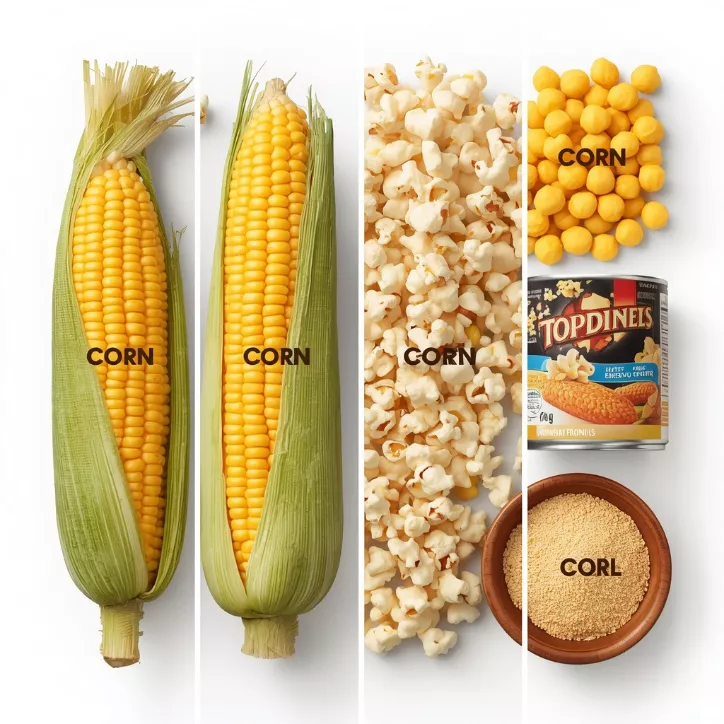
Is Corn Good for You? Nutrition, Benefits, and Healthier Ways to Eat It
Is corn healthy? Explore corn's nutrition, fiber, antioxidants, blood-sugar considerations, processed forms, and whether corn oil is a sensible choice for frying.
Discover how food and nutrients affect health, energy, weight, growth, disease prevention, and overall well-being.
Is corn healthy? Explore corn's nutrition, fiber, antioxidants, blood-sugar considerations, processed forms, and whether corn oil is a sensible choice for frying.

Most root beer is caffeine-free, but Barq's is a key exception. See which brands contain caffeine, whether A&W has any, and how to check the label.

Compare tea and coffee by caffeine, alertness, health evidence, side effects, and preparation to decide which drink better fits your routine.
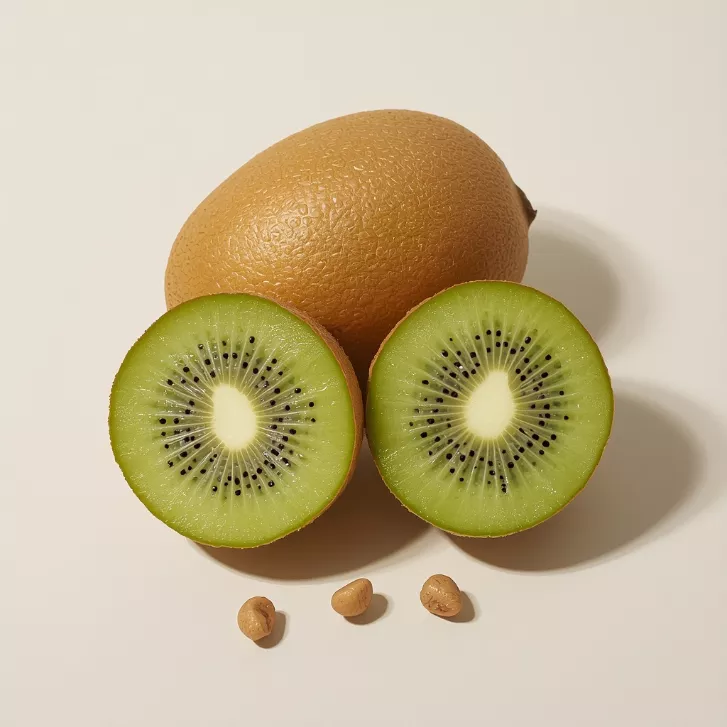
See why kiwifruit can be a nutritious choice, what its fiber and vitamin C offer, what research really shows, and who should be cautious.
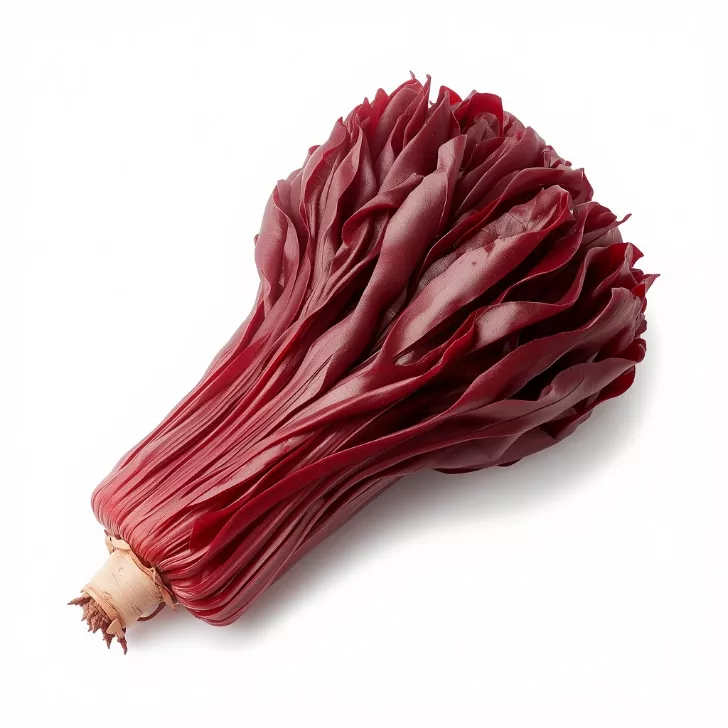
Carrageenan is a seaweed-derived thickener and stabilizer used in many processed foods. This evidence-focused guide explains the crucial difference between food-grade carrageenan and poligeenan, what regulators conclude, what human and laboratory research actually shows, which products commonly contain it, and how readers can make practical choices without overstating uncertain risks.
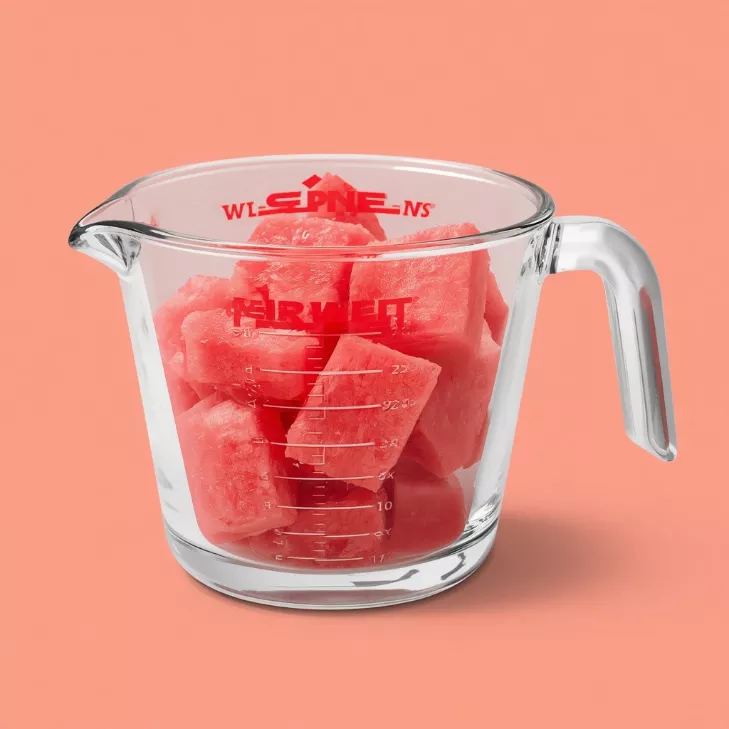
How many carbs are in watermelon? A practical guide to carbohydrate amounts by serving size, sugars and fiber, carb counting, keto considerations, and diabetes-friendly portions.
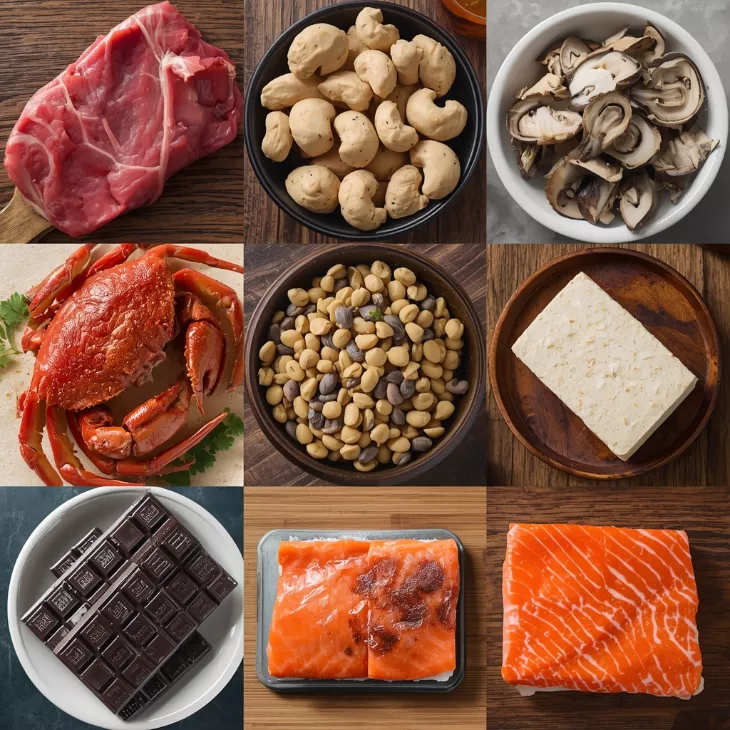
Discover foods high in copper, including shellfish, organ meats, nuts, seeds, legumes, mushrooms, and chocolate. Learn serving amounts, daily copper needs, deficiency risks, and how to include copper-rich foods safely.

Discover what cottage cheese is, how its curds and whey are made, how varieties differ, what it tastes like, and how to choose and use it in everyday meals.
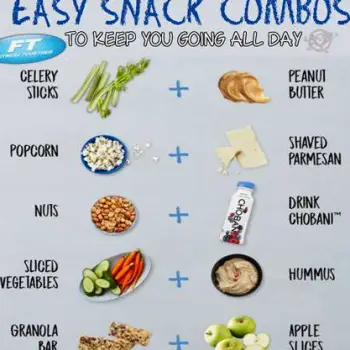
Find an easy snack that fits your appetite, schedule, and setting, with practical sweet, savory, filling, portable, and shareable ideas.
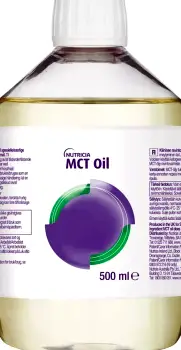
Evidence-based overview of what MCT oil is, why people use it, what research supports, practical dietary uses, and safety limitations.
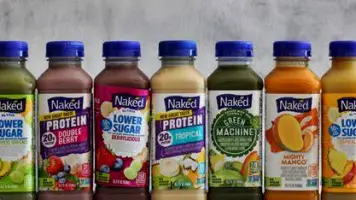
Is Naked Juice healthy? Find out how its nutrition, naturally occurring sugar, low fiber, serving size, and ingredient claims compare with whole fruits and vegetables, plus practical ways to decide where bottled smoothies fit in a balanced diet.
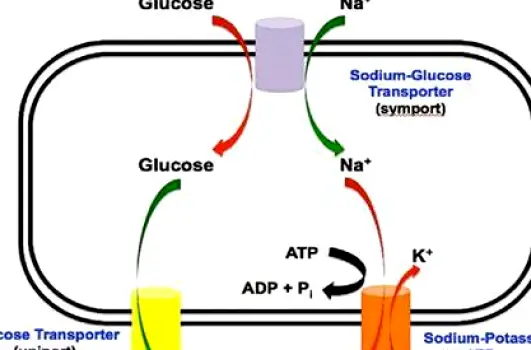
Is Pedialyte good for you? Find out when its oral rehydration formula is useful, how it compares with water and sports drinks, what ingredients and product differences matter, and when risks or medical advice should take priority.
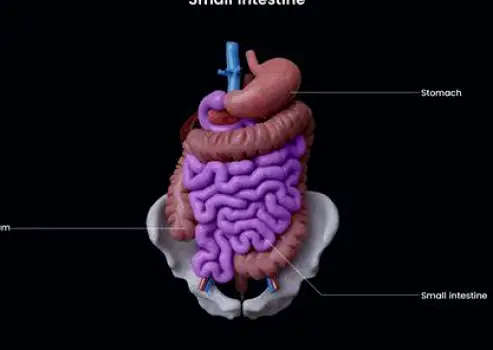
Evidence-aware guide explaining what gelatin is, its protein and amino-acid profile, potential benefits, limitations, safety considerations, and practical food uses. It should distinguish gelatin from collagen supplements and avoid overstating preliminary research.

Find out whether corn syrup and high-fructose corn syrup are harmful, how they differ, what evidence says about excess added-sugar intake, and practical ways to read labels and reduce overconsumption.
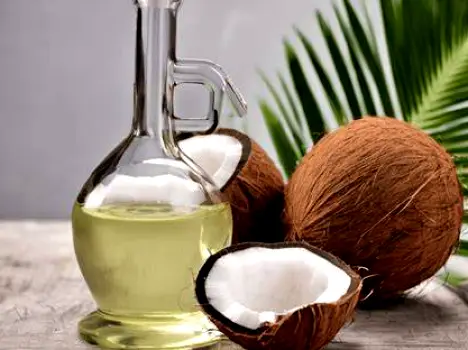
Discover what fractionated coconut oil is, how it differs from regular coconut and MCT oils, its common uses, nutritional evidence, and key safety considerations.
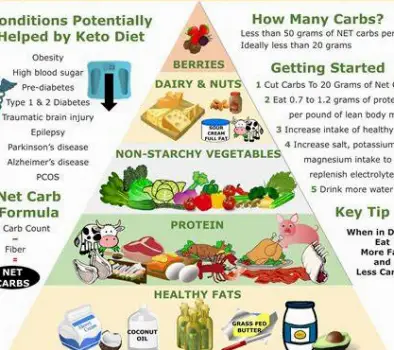
Most keto diets limit carbohydrates to about 20-50 grams daily, but the right target varies. Find out how to count carbs, choose foods, and use the range safely.
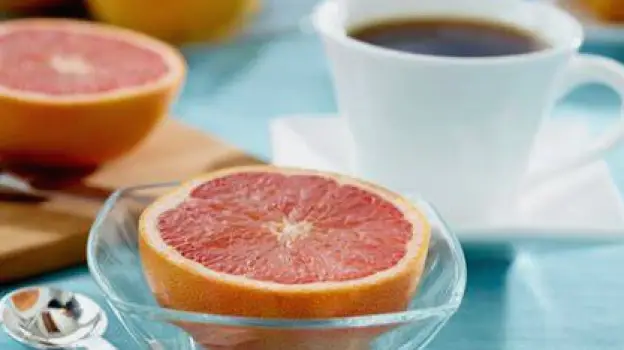
Find out whether any foods interact with bisoprolol, what to know about alcohol and fasting, and how to choose a heart-healthy diet without unnecessary restrictions.

Vegans do not eat conventional eggs. See why eggs are excluded, what "veggan" and ovo-vegetarian mean, and which plant-based alternatives can replace eggs.
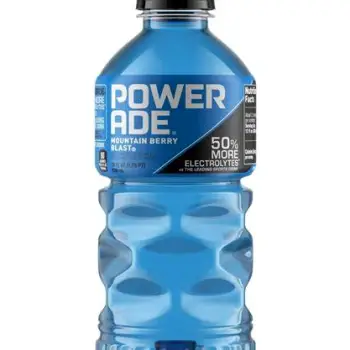
Powerade can support long, intense exercise, but it is usually unnecessary for everyday hydration. Find out when it helps and how regular and Zero compare.

Yes, beans contain carbohydrates, along with fiber and protein. Compare carb counts by variety and Discover what they mean for low-carb, keto, and diabetes meal planning.

Full-fat sour cream can fit a keto diet, but carb counts vary. Find out how to read the label, choose a portion, and weigh important health considerations.
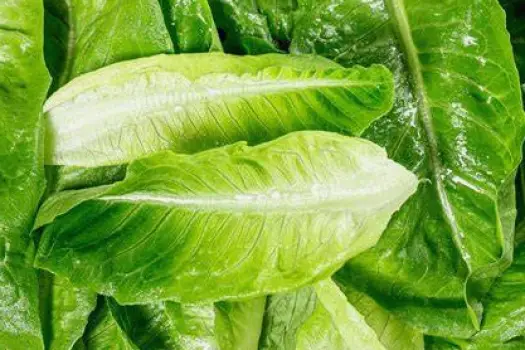
Romaine lettuce is low in calories and rich in vitamins A and K, folate, water, and useful plant compounds—but its benefits depend on the whole meal.
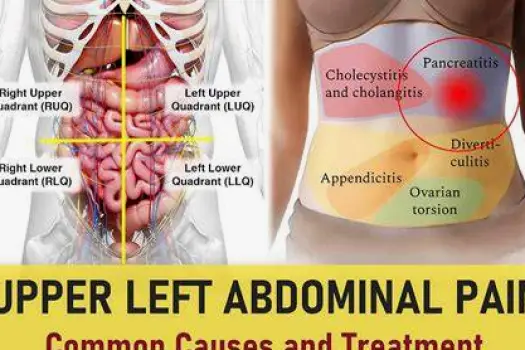
Which foods actually matter when your spleen is enlarged? Separate unsupported food bans from cause-specific restrictions, safer meal choices, and warning signs.

Daily oregano oil capsules have no established standard dose or proven long-term safety. Explore evidence limits, side effects, product differences, and safer-use considerations.

Eggshells contain usable calcium, but eating them carries contamination, dosing, and preparation concerns. See what evidence supports and why safer calcium sources may be preferable.
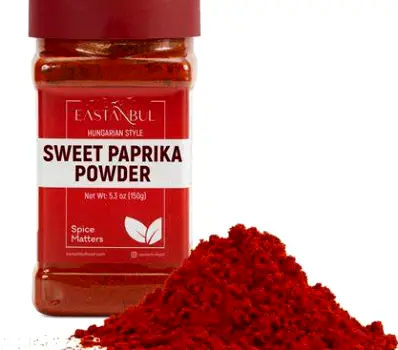
Paprika adds flavor, carotenoids, and small amounts of essential nutrients to meals. Explore its nutrition at realistic serving sizes, the limits of health-benefit research, and how sweet, hot, and smoked varieties differ.
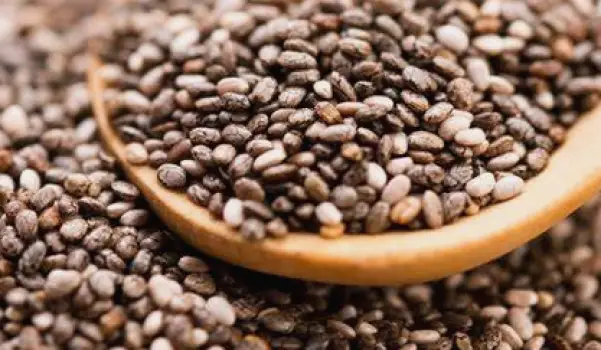
What are chia seeds, and how do you use them? Explore their plant origin, fiber and omega-3 content, realistic health benefits, and simple ways to add whole or ground seeds to everyday meals.

A balanced, evidence-conscious guide to whether Takis are unhealthy, covering their nutrition profile, sodium, processing, digestive effects, cancer rumors, portion context, and when individual concerns warrant professional advice.

A balanced guide to halloumi's protein, calcium, fat and salt content, what its nutrition may contribute, who should limit it, and how to include it sensibly in a varied diet.

Find out why blood spots appear in egg yolks, how they differ from meat spots, whether the egg is safe to eat, and when spoilage signs mean it should be discarded.

What an ice-water facial may do for puffiness, redness, pores, and alertness; why any visible effects are temporary; and how to weigh irritation and cold-injury risks before trying the trend.
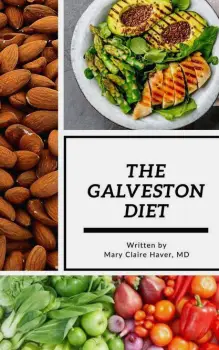
An evidence-aware guide to the Galveston Diet’s three-part framework, typical foods, menopause-focused positioning, likely advantages, limitations, safety considerations, and differences from keto.
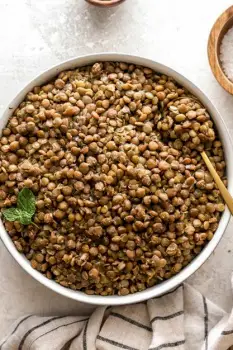
Lentils contain substantial carbohydrate, but much of their nutritional value comes from fiber and plant protein. See how portions, net-carb calculations, and diet goals affect whether they fit a low-carb or keto plan.

Milk naturally supplies water plus electrolytes such as potassium, sodium, calcium, and magnesium. This evidence-led guide explains what that means for everyday hydration, exercise recovery, and comparisons with water and sports drinks.
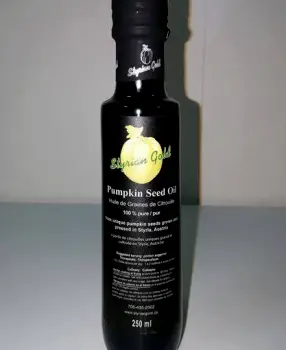
A practical, evidence-aware guide to daily pumpkin seed oil intake, covering studied amounts, nutrition, potential benefits, safety, product forms, and how to use it without treating research doses as universal recommendations.
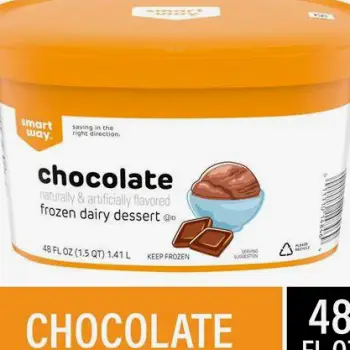
A balanced assessment of Halo Top’s calories, protein, ingredients, portions, and tradeoffs compared with regular ice cream, explaining when it may be a useful dessert choice and why it is not automatically a health food.
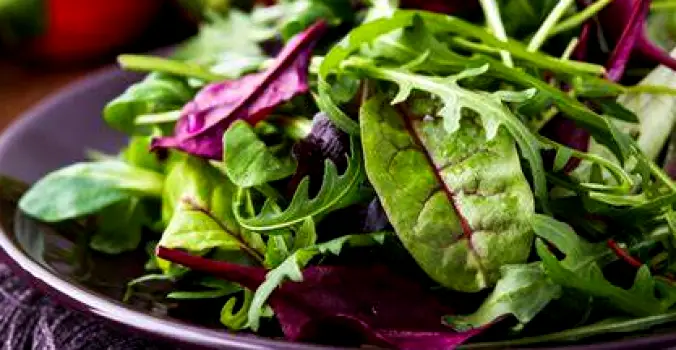
A practical guide to the best low-carb vegetables, with clear net-carb context, nutrient-rich choices, portion guidance, and easy swaps for potatoes, rice, pasta, and other higher-carb foods.
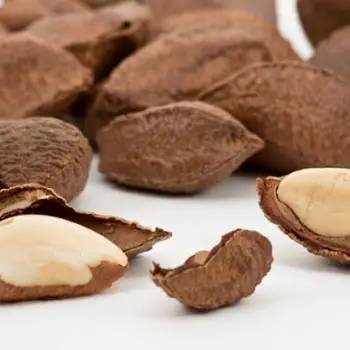
A practical, evidence-aware guide to Brazil nuts: their selenium and nutrient content, potential benefits for thyroid, heart, and overall health, realistic evidence limits, safe portions, allergy concerns, and when professional advice matters.

A practical, evidence-aware guide to Greek yogurt's nutrition, potential benefits, differences from regular yogurt, label-reading tips, and important limitations such as added sugar, dairy allergies, lactose intolerance, and medication interactions.
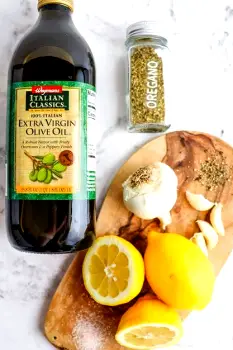
A clear, evidence-aware guide to olive oil and sexual health, covering cardiovascular links, blood flow, Mediterranean-diet research, safe dietary use, lubricant risks, and when sexual symptoms warrant medical evaluation.
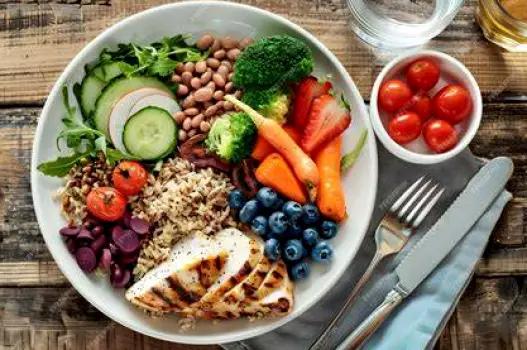
Build a sustainable calorie deficit with realistic calorie estimates, balanced meals and practical portion changes. Understand why weight loss can stall, why 1,400 calories is not a universal target, and when to seek support.
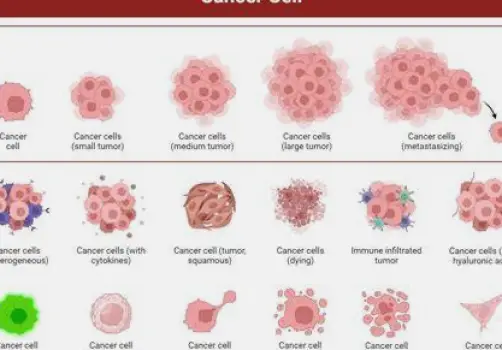
Cancer is not one disease with one universal cure. This evidence-based guide explains what cure and remission mean, why cancer is difficult to treat, how therapies work, what research has achieved, and how to avoid misleading miracle-cure claims.

What to know if you find fly eggs on food: how to identify them, why exposed food attracts flies, the realistic contamination concerns, and practical steps for disposal, cleaning, and prevention.