
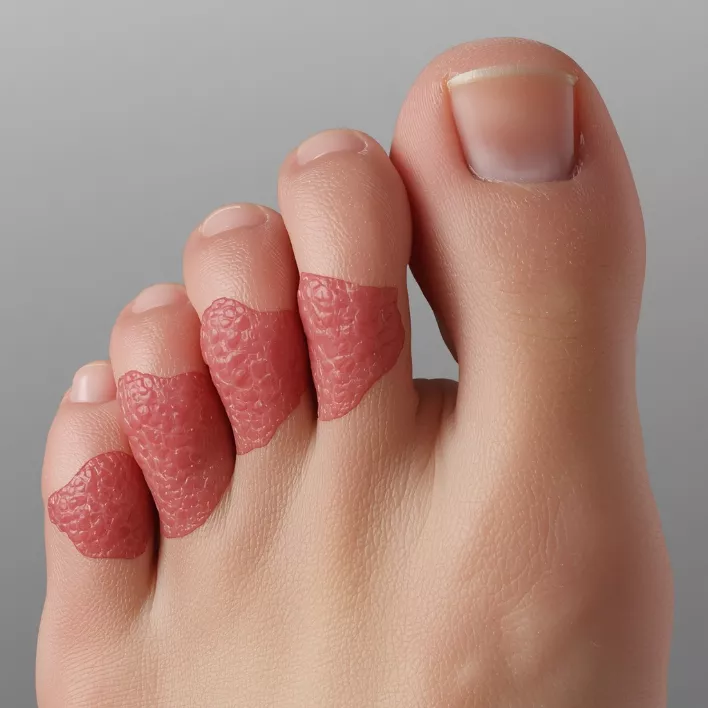
How to Get Rid of Athlete's Foot Safely and Keep It From Returning
Find out how to treat athlete's foot with proven antifungal options, proper foot care, recurrence prevention, and clear guidance on when to seek medical help.
Explore information about skin, hair, and nail health, including common conditions, symptoms, treatments, prevention, and daily care.
Find out how to treat athlete's foot with proven antifungal options, proper foot care, recurrence prevention, and clear guidance on when to seek medical help.
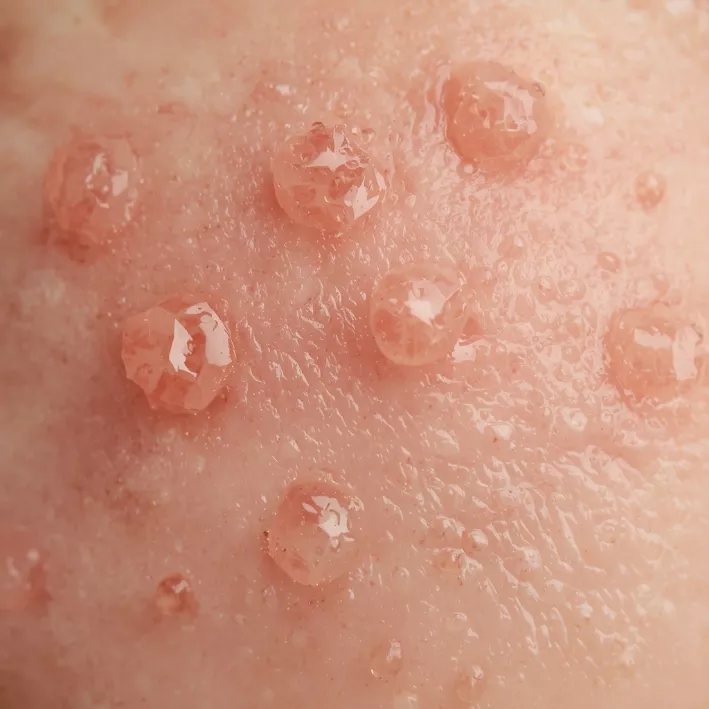
Find out when salicylic acid can help acne, which breakouts respond best, how to use an OTC product safely, and when to see a dermatologist.
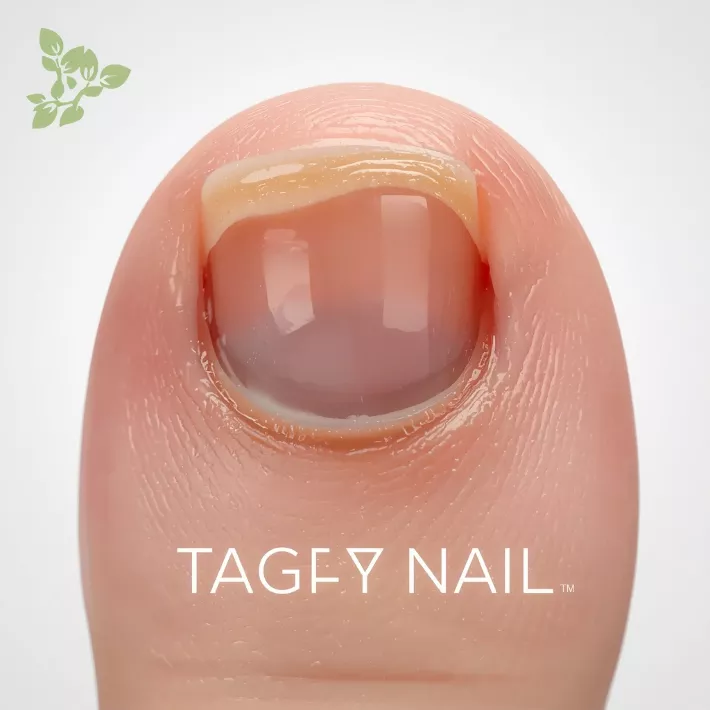
Explore the clearest signs that toenail fungus treatment is working, why damaged nail remains visible, how long regrowth can take, and when to seek a reassessment.
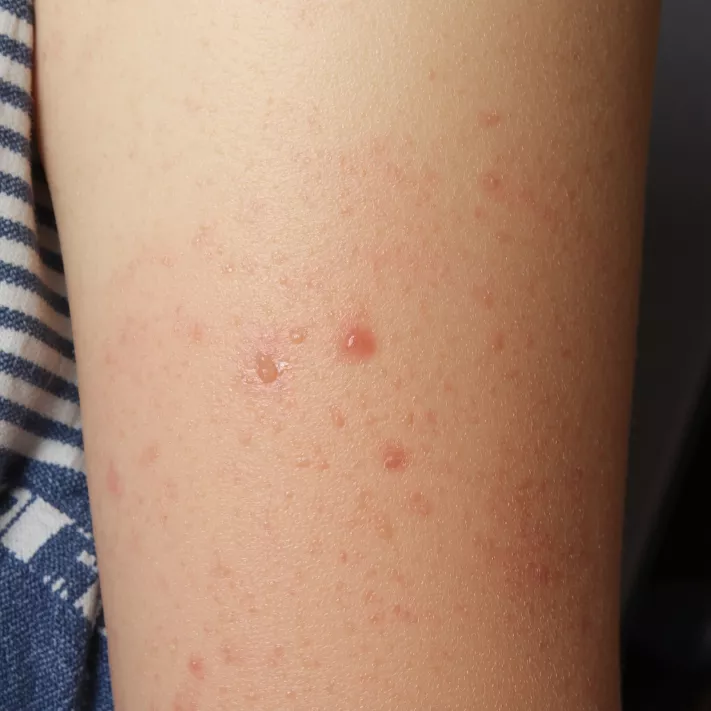
A practical guide to rashes after sun exposure, explaining what people call sun poisoning, how polymorphic light eruption differs from severe sunburn, what may ease PMLE, and when an uncertain or persistent reaction needs medical assessment.
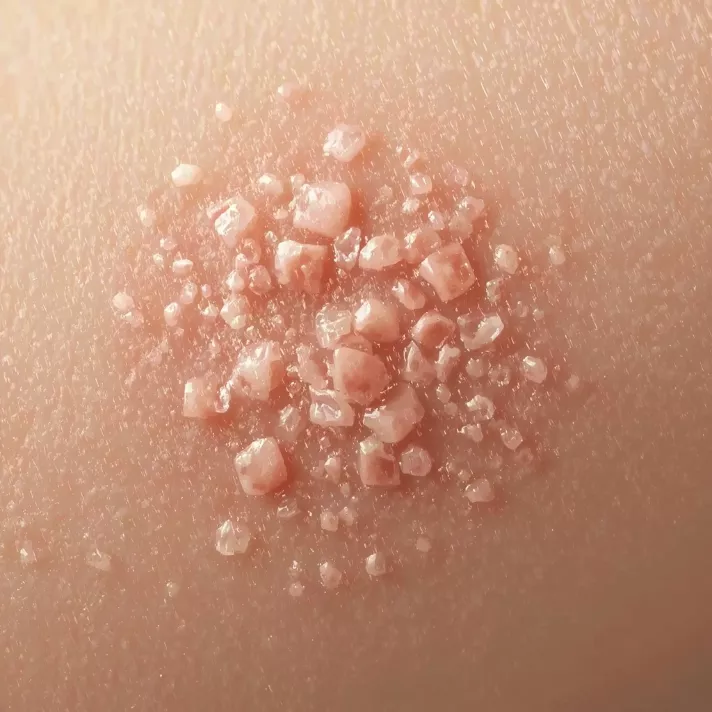
A practical guide to red underarm rashes, including common causes, distinguishing clues, low-risk care, diagnosis, recurrence prevention, and signs that warrant prompt medical evaluation.
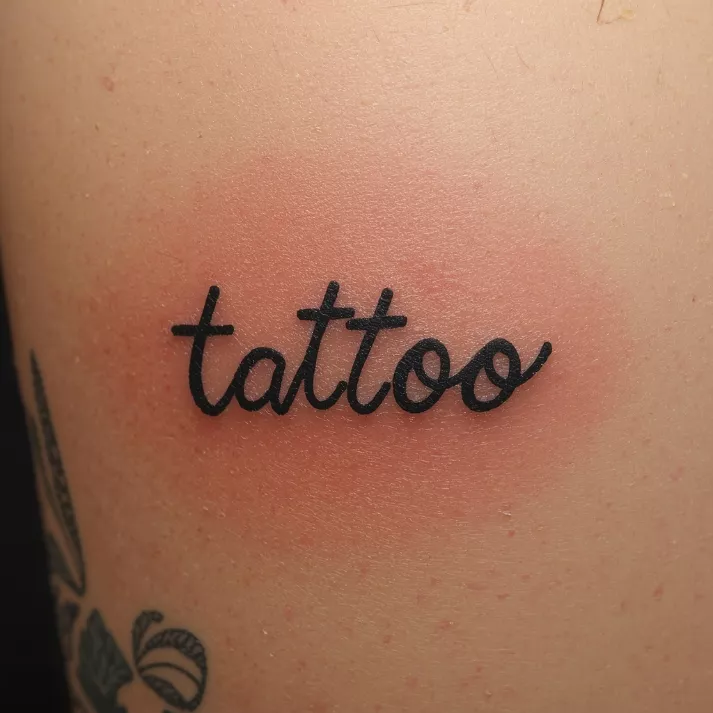
Can Vaseline be used on a fresh or healed tattoo? This brief separates routine aftercare from later dry-skin care, explains why petroleum jelly is generally avoided, and identifies warning signs that need medical attention.
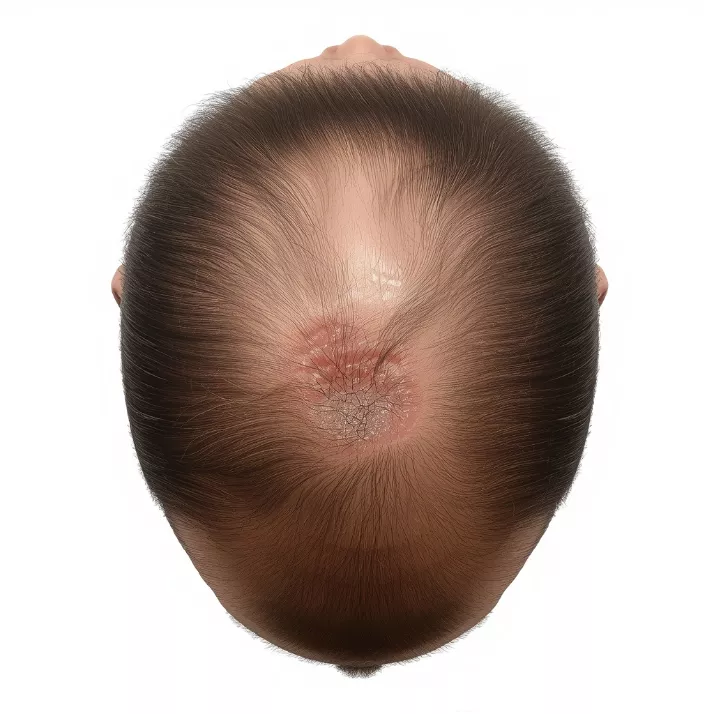
An evidence-focused guide to whether amlodipine can cause hair loss, why reports do not prove causation, what other causes should be considered, and how to seek a safe medication review without stopping treatment independently.
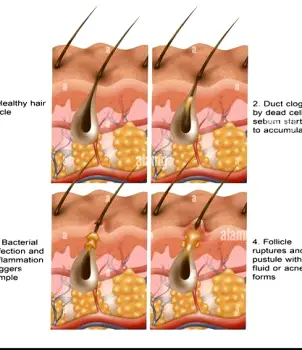
Alcohol has not been established as a direct cause of acne. This brief examines mixed observational evidence, plausible but unproven pathways, drink-type claims, personal trigger tracking, and when persistent breakouts deserve professional assessment.
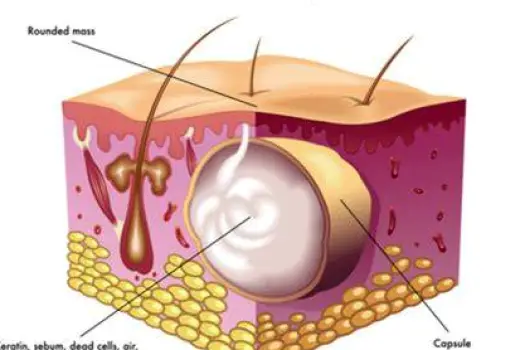
A safety-first guide to what people call sebaceous cysts, what home care can and cannot accomplish, why squeezing is risky, and which changes warrant prompt medical evaluation or professional treatment.
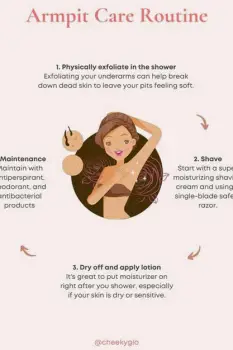
A practical guide to distinguishing an armpit boil from a skin cyst by onset, pain, appearance, and progression, with safe self-care boundaries, warning signs, common look-alikes, and guidance on when a clinician should evaluate the lump.

An evidence-based look at whether tea tree oil stimulates hair growth, where dandruff research fits, how to use scalp products cautiously, and when shedding or scalp symptoms need professional evaluation.
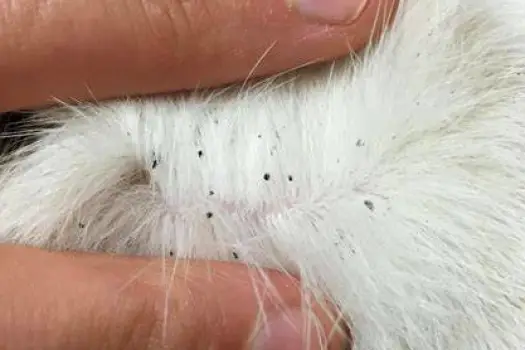
A practical comparison of flea bites and bed bug bites, focusing on pattern, body location, timing, environmental clues, symptom relief, warning signs, and the evidence needed to identify and eliminate the actual pest.
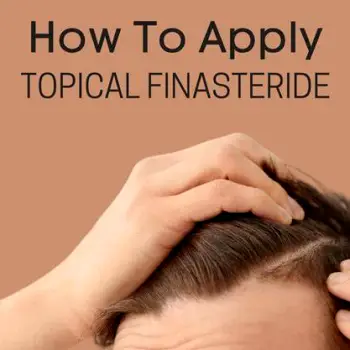
A safety-focused guide to topical finasteride side effects, including local and systemic reactions, skin absorption, compounded-product concerns, accidental transfer, and the limits of comparisons with oral finasteride.
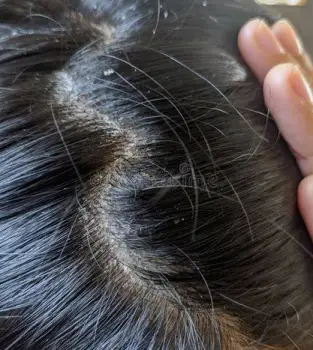
Dandruff usually does not directly cause hair loss, but itching, scratching, and an inflamed scalp can contribute to temporary shedding or breakage. See how to manage flakes, recognize look-alike conditions, and know when to seek care.
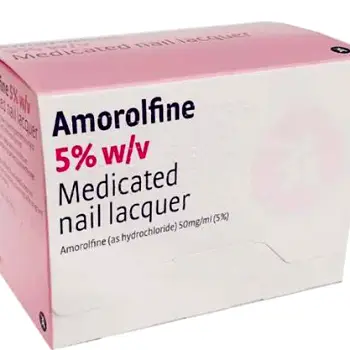
A UK-focused guide to amorolfine 5% nail lacquer for fungal nail infections, covering suitable cases, correct application, realistic treatment timelines, evidence, precautions, side effects, and when professional assessment is needed.
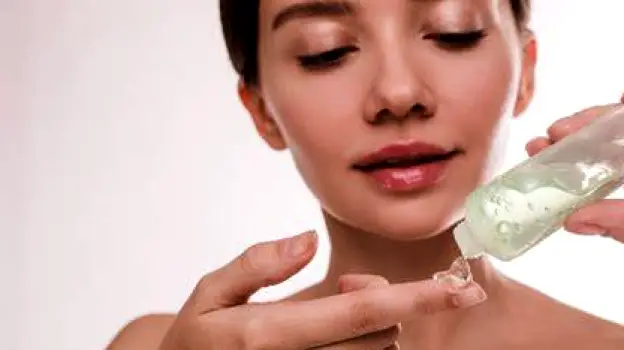
A practical, safety-focused guide to adapalene and benzoyl peroxide gel for acne, covering what the combination does, available strengths, correct application, expected progress, irritation management, precautions, and when to contact a clinician.
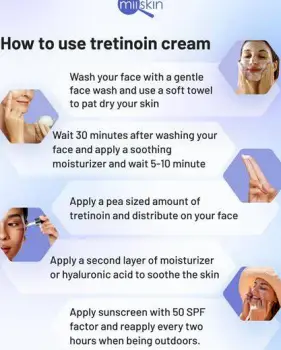
A practical, safety-focused guide to applying topical tretinoin correctly, reducing irritation, managing other skincare products, setting realistic expectations, and understanding what may happen after treatment stops.
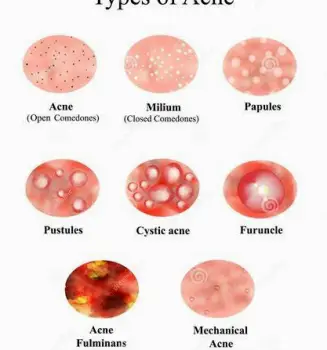
A practical, evidence-aware guide to distinguishing a possible adjustment flare from acne or irritation by examining product type, timing, location, symptoms, and progression—and deciding when to pause treatment or seek care.
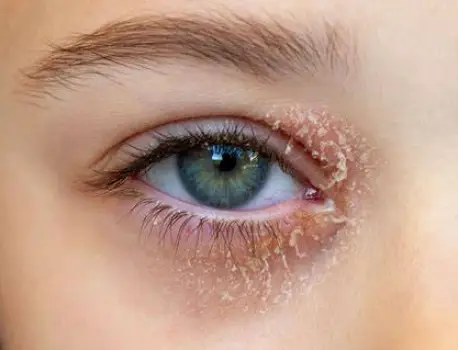
A practical guide to dry, itchy eyelid patches: how eyelid eczema can appear, common contact and atopic causes, safer first steps, diagnostic testing, treatment options, and signs that require medical or eye care.

A research-led brief on whether cheese causes acne, separating weak observational associations from proof of causation and helping readers assess personal patterns without treating dietary restriction as an acne cure.
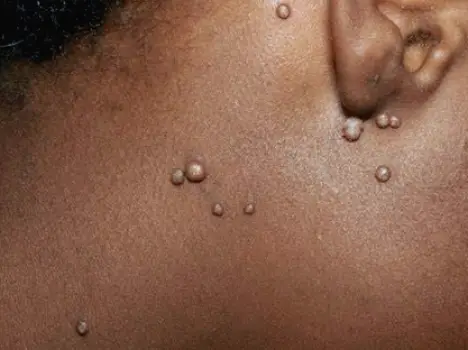
A stage-by-stage guide to recognizing molluscum contagiosum, including early and mature bumps, inflammation before clearing, variations by skin tone and body site, common look-alikes, and signs that need medical assessment.
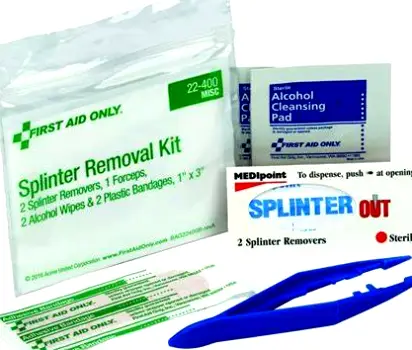
A practical, safety-focused guide to removing a visible or fully embedded splinter, caring for the wound afterward, avoiding breakage and excessive digging, and recognizing when professional removal is safer.
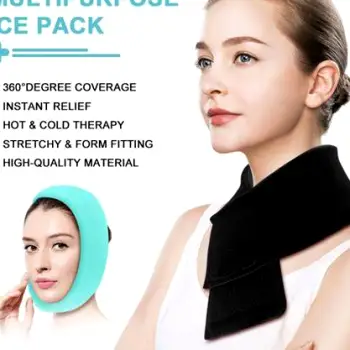
A practical, evidence-conscious guide to hickeys: what they are, why instant removal is unrealistic, how to care for a fresh mark safely, which viral remedies to avoid, how to conceal it, and when bruising needs medical attention.
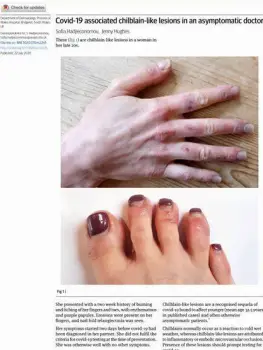
COVID-19 can be associated with several rash patterns, but appearance alone cannot confirm the cause. This brief covers typical forms, timing, competing explanations, symptom care, and warning signs.
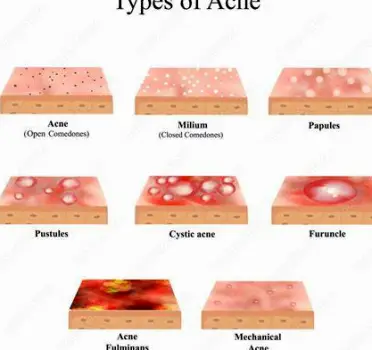
A clinician-focused guide to doxycycline dosing for acne, including common dose ranges, formulation differences, treatment duration, administration, missed doses, safety, and antibiotic stewardship.
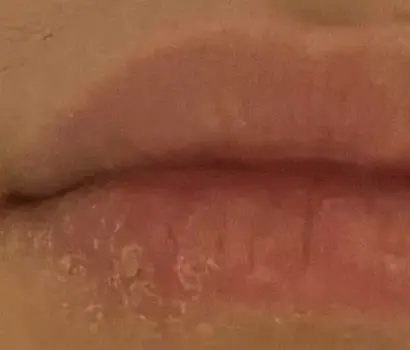
A practical guide to a persistent dry patch on the lip: how lip eczema differs from ordinary chapping and similar conditions, common irritants and allergens, low-risk care, diagnostic testing, and reasons to seek medical assessment.
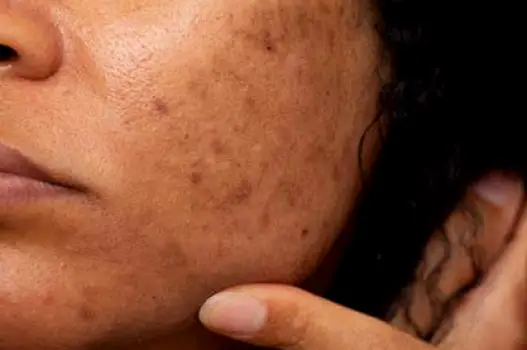
A practical, evidence-informed guide to treating hyperpigmentation in Black and darker skin tones, covering causes, sunscreen, topical options, procedures, risks, realistic timelines, and when dermatology care is needed.
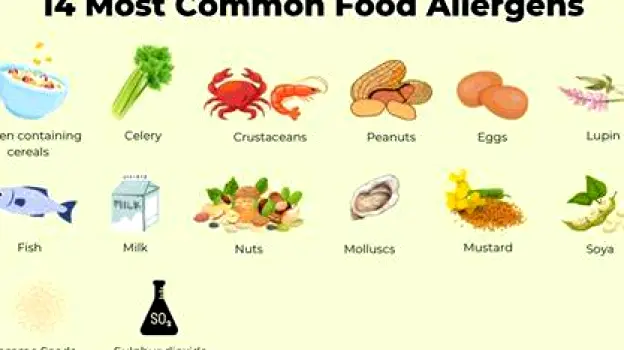
Milk, eggs, wheat and other foods can worsen eczema in some people, but there is no universal trigger list. Understand the food-allergy link, the limits of testing and how to investigate suspected triggers without unnecessary restriction.
A practical, evidence-aware guide to how long doxycycline is commonly used for acne, when improvement may appear, why treatment is limited, how combination therapy reduces resistance, and when medical review is needed.
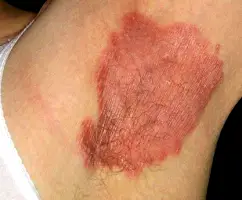
A careful guide to how inverse psoriasis may appear in the female groin, how skin tone and moisture alter its features, what can mimic it, and when a clinician should assess the rash.
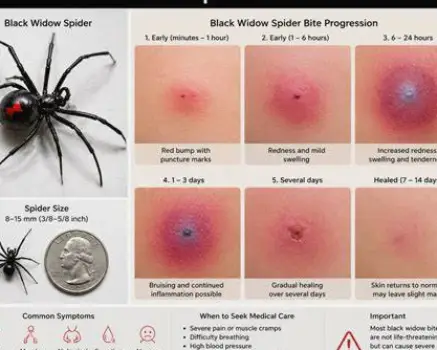
A practical guide to recognizing possible spider bites on Black skin, understanding symptoms that may be harder to judge visually, using safe first aid, and knowing when urgent medical care is needed.
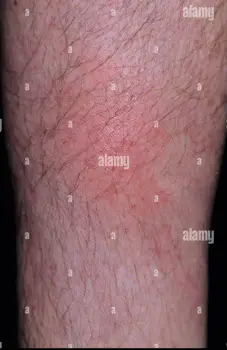
A practical dermatology guide to recognizing what a suspected spider bite may look and feel like, why appearance alone rarely confirms the cause, how symptoms can evolve, which conditions mimic bites, and when medical assessment is important.
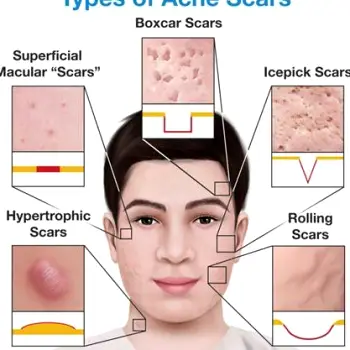
A practical, evidence-aware guide to choosing products for post-acne dark marks and supporting acne-prone skin, while explaining why pitted or raised scars usually need professional assessment rather than stronger cosmetics.
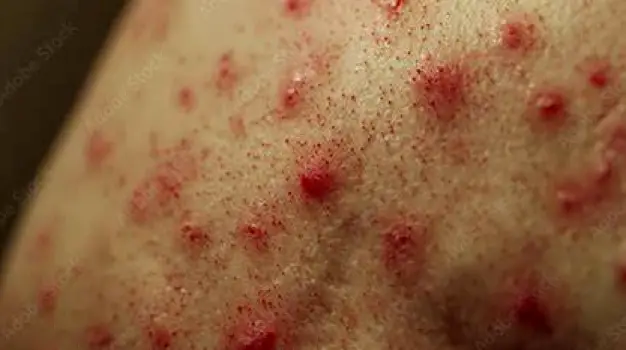
COVID-19 can coincide with several kinds of rash, but appearance alone cannot confirm the cause. This brief covers common patterns, timing, look-alikes, sensible next steps, and warning signs that need prompt medical assessment.
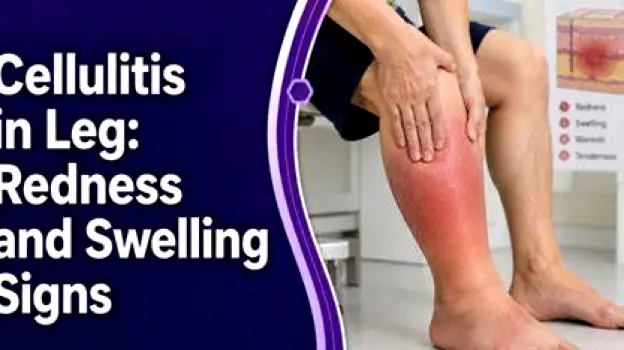
A practical guide to how leg cellulitis can appear, including changes across skin tones, symptoms that strengthen suspicion, common risk factors, treatment expectations, and signs requiring urgent or emergency care.
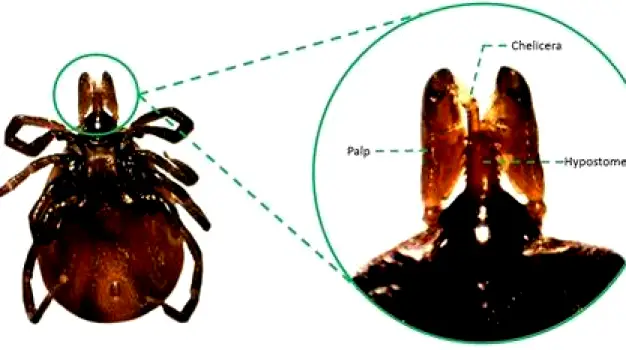
A practical guide to recognizing an attached tick, distinguishing its external body from embedded mouthparts or a leftover bite mark, removing it safely, and knowing which skin changes or symptoms require medical advice.
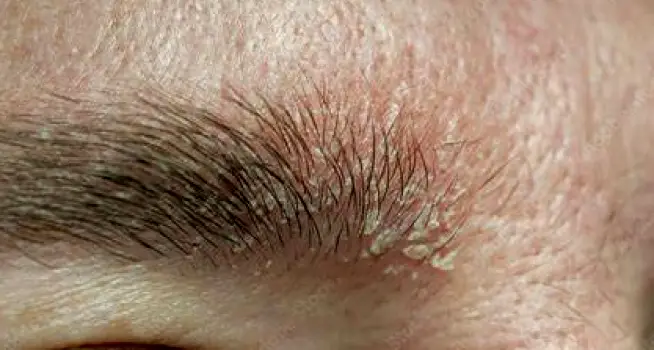
Dry, flaky skin around the eyebrows can reflect simple dryness, seborrheic dermatitis, contact dermatitis, eczema, or psoriasis. This guide explains distinguishing clues, gentle care, treatment limits, and when to seek medical advice.

A practical timeline for poison ivy rash, from delayed onset and blistering to crusting and clearance, with symptom relief, reasons new spots appear, and warning signs that require medical care.
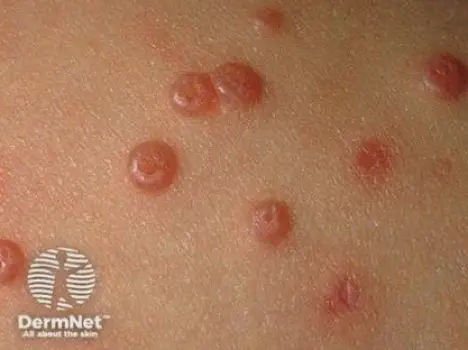
A clinically grounded guide to recognizing molluscum contagiosum in adults, including typical bump features, common locations, changes during resolution, important warning signs, and reasons to seek a professional diagnosis.
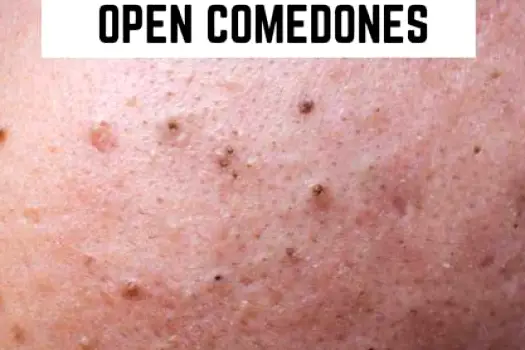
Use a symptom-based acne quiz to distinguish comedones, inflamed pimples, and deeper nodules or cysts, understand why several lesion types may coexist, and identify when professional assessment matters.
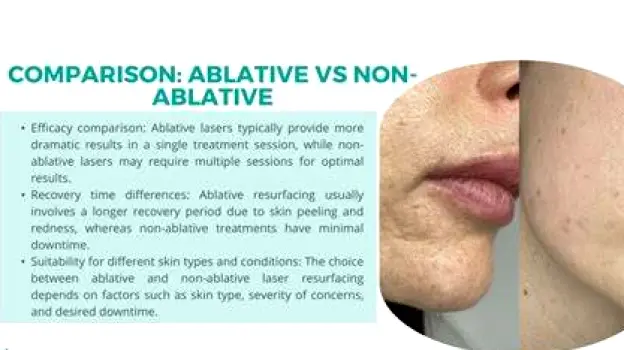
A practical US cost guide to laser treatment for acne scars, covering realistic per-session and total-price estimates, laser types, price drivers, insurance, consultations, recovery costs, and quote comparisons.
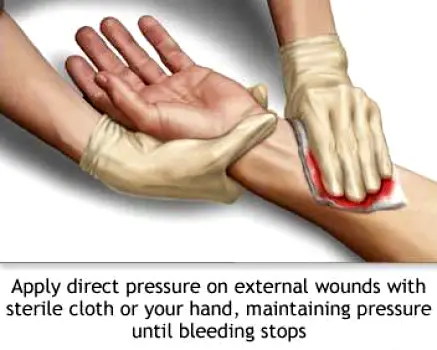
What to do when a skin tag tears or comes off: control bleeding, clean and protect the wound, recognize infection or an incorrectly identified growth, and know when prompt medical care is warranted.