
 h2>The short answer: OTC products relieve symptoms but do not treat strep
Over-the-counter (OTC) medications can provide temporary relief from the pain and fever associated with a sore throat, but they do not cure strep throat. Strep throat is an infection of the throat and tonsils caused by group A Streptococcus bacteria. While OTC pain relievers like acetaminophen or ibuprofen may help manage discomfort, these medications do not eradicate the underlying bacterial infection.
Distinguish between symptom management and medical treatment. Using OTC products to soothe a sore throat may make a person feel better temporarily, but this relief does not mean the infection is resolving. Without appropriate prescription antibiotics, the bacterial infection persists. Antibiotics are specifically required to treat confirmed strep throat because they shorten the duration of the illness, reduce symptoms, decrease the spread of the bacteria to others, and help prevent serious complications such as rheumatic fever. OTC products are not substitutes for these indicated antibiotics.
Why suspected strep throat should be tested
Symptoms alone cannot reliably establish whether a sore throat is caused by group A strep bacteria. Many common viruses and other types of bacterial infections cause sore throats that look and feel similar to strep throat. Purchasing and using an OTC remedy for throat pain should not be treated as confirmation that the illness is strep. Accurate diagnosis depends on appropriate clinical assessment and laboratory testing.
Healthcare providers can test for group A strep using a rapid strep test or a throat culture. A rapid strep test provides results quickly in the clinic, while a throat culture may be used for confirmation or if the rapid test is negative but clinical suspicion remains. A positive result from either a rapid test or a culture indicates that antibiotics are needed to treat the strep throat infection. Relying on symptom observation or throat appearance without testing can lead to misdiagnosis and inappropriate use of either antibiotics or OTC comfort measures.
OTC options for throat pain and fever
Acetaminophen and ibuprofen are the primary OTC options used to temporarily reduce throat pain and fever associated with strep throat. These medications address the discomfort and elevated temperature that often accompany the infection. These OTC medicines do not eradicate the causative bacteria. They are tools for comfort and should not be viewed as a cure or a substitute for the antibiotics indicated by a healthcare provider.

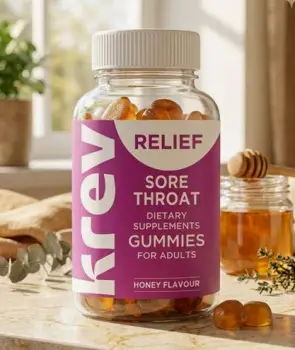
Throat lozenges or hard candy can also serve as temporary throat-soothing products. They may help coat the throat and provide minor relief from irritation. When selecting these products, it is important to recognize that they are not medicinal treatments for the infection itself.
The U.S. Food and Drug Administration (FDA) requires that OTC products display a standardized Drug Facts label. This label provides essential information including the active ingredients, purposes, uses, warnings, directions for use, and inactive ingredients. Readers should rely on this product-specific information rather than assuming that all sore-throat products have the same ingredients or age restrictions. The Drug Facts label is the authoritative source for understanding what a specific product contains and how it should be used safely.
Strep Throat: Relief vs. Treatment
Non-drug ways to soothe a sore throat
Several non-drug measures can support comfort and hydration while the body deals with the infection. These approaches do not eliminate the bacterial infection, but they can make the experience of having a sore throat more manageable.
Adequate fluid intake is essential. Warm beverages or cold items can both be soothing, depending on individual preference. Soft foods are often easier to swallow when the throat is inflamed. For individuals who can gargle safely, warm saltwater gargling can help clear mucus and reduce irritation. Rest is also important, allowing the body to conserve energy for healing.
Using a cool-mist humidifier can add moisture to the air, which may help prevent the throat from becoming dry and further irritated, especially during sleep. These supportive measures provide comfort rather than bacterial treatment. While antibiotics are necessary to clear the group A strep infection, these non-drug strategies play a valuable role in maintaining hydration and reducing pain during the recovery period.
Choosing symptom relief safely for adults and children
Selecting the right OTC symptom relief requires careful attention to product labels and the individual's age and health status. The FDA Drug Facts label is the primary resource for this decision. Readers must check the label for active ingredients to avoid accidental duplication. Many multi-symptom cold and flu products contain acetaminophen or ibuprofen; using these alongside a separate pain reliever can lead to accidental overdose.
For children, safety considerations are paramount. Hard candy and throat lozenges pose a significant choking hazard for young children. Because product directions and age limits vary, it is not possible to assign a universal minimum age for these items. Some products may be safe for older children but strictly prohibited for younger ones. Warnings on the label indicate whether a product is suitable for specific age groups.

If there is uncertainty about which product is appropriate for a child, or if the child has an existing health condition, consulting a pharmacist or clinician is the safest course of action. Product warnings and individual circumstances differ significantly, and professional guidance ensures that the chosen relief method does not introduce additional risks. Always follow the directions on the specific product label rather than general advice.
Where antibiotics fit into treatment
Antibiotics are the definitive treatment for strep throat when a test confirms the presence of group A strep bacteria. A positive rapid strep test or throat culture generally leads to a prescription for antibiotics from a healthcare provider. These medications are not optional for confirmed cases because they serve several critical functions: they shorten the illness, reduce symptoms more effectively than OTC measures alone, decrease transmission to family members and others, and help prevent serious complications such as rheumatic fever.
Follow the prescribed course of antibiotics exactly as directed. Stopping medication early, even if symptoms improve, can allow the bacteria to persist and potentially lead to complications. Substituting OTC products or home remedies for the prescribed antibiotic regimen is ineffective for treating the underlying infection. While OTC pain relievers and non-drug measures can be used alongside antibiotics to manage comfort, they do not replace the medical treatment required to clear the bacteria.
This article focuses on OTC relief, but it is important to remember that antibiotics are the only intervention that addresses the bacterial cause of strep throat. Healthcare providers will select an appropriate antibiotic based on individual patient factors, but specific drug names, dosages, and treatment durations are determined clinically and should not be assumed or compared without professional guidance.
Follow-up, contagiousness, and returning to school or work
Managing strep throat involves understanding when it is safe to return to daily activities and when further medical attention is needed. According to CDC guidance, people with group A strep pharyngitis should stay home from work, school, or daycare until they no longer have a fever and at least 12-24 hours have passed after starting appropriate antibiotic therapy. This timeframe helps ensure that the person is less contagious. This criterion is a general guideline; a clinician's specific advice takes priority, as individual circumstances may vary.
Monitoring progress during treatment is also important. If a person is not feeling better after taking antibiotics for 48 hours, they should contact their healthcare provider. Lack of improvement may indicate that the diagnosis needs to be re-evaluated, that the bacteria are resistant to the prescribed antibiotic, or that a different issue is causing the symptoms.
Returning to school or work should be coordinated with the fever-free and 12-24 hour antibiotic rule. It is not a guarantee that every person is noncontagious exactly at the 12-hour mark, but adherence to this window significantly reduces transmission risk. Always prioritize the specific instructions provided by the treating clinician regarding return-to-activity timelines.